How the books actually run
Spreadsheets, end-of-day, mobile money, shares, notifications, the board pack, cash versus accrual, and what a core costs — written for SACCO managers, credit heads, and the people who keep the engine up.
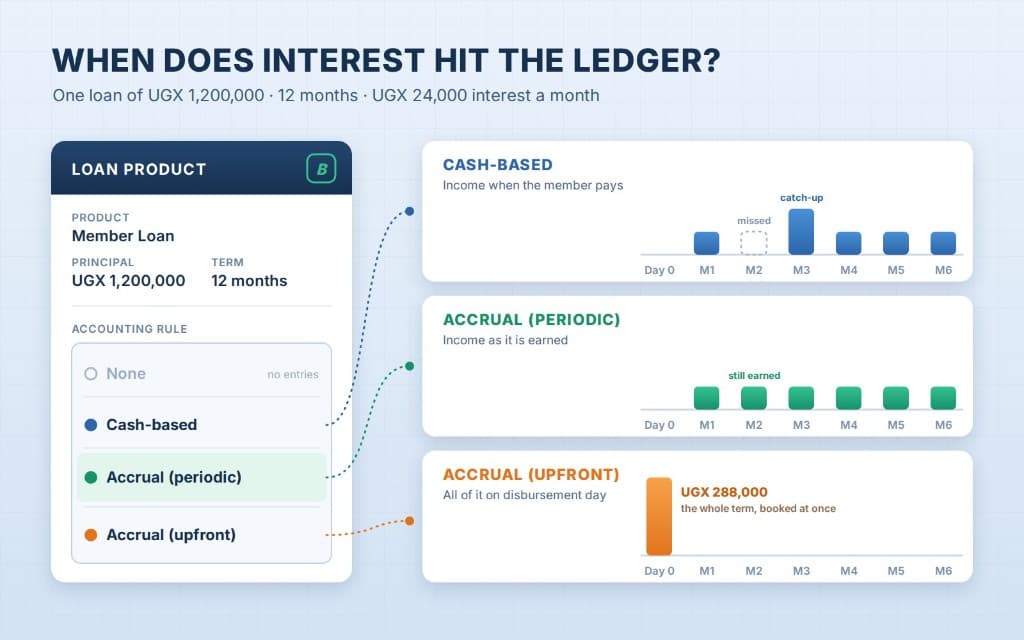
Cash, accrual or none: how Fineract’s accounting options change what hits your books
The rule you pick on a product decides when income shows up, which accounts move, and whether the balance sheet matches the loan book. One dropdown. Years of living with it.
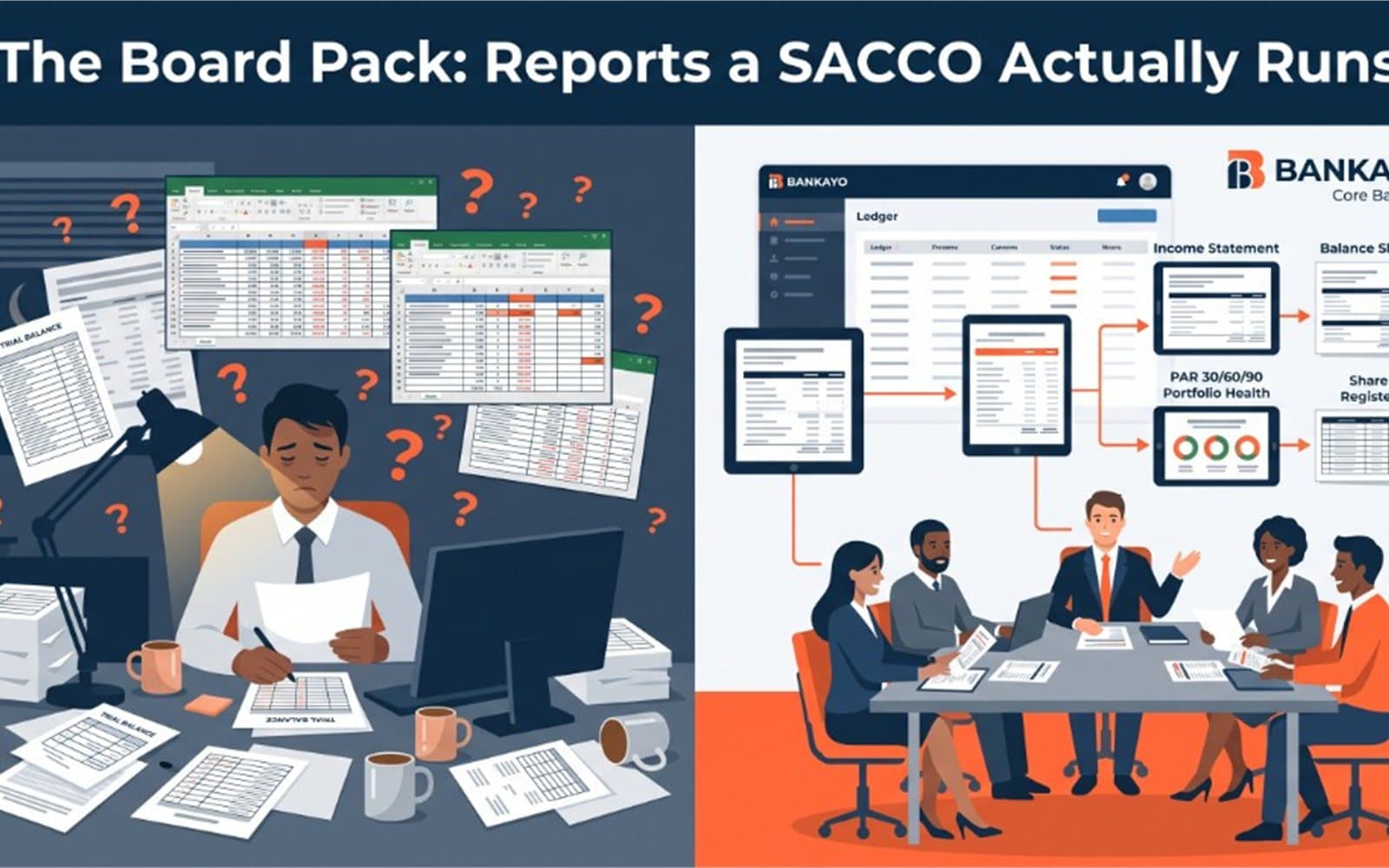
The board pack: reports a SACCO actually runs
You already know the income statement and the balance sheet. The hard part is printing them from the same ledger as PAR, cash, and the share register — not rebuilding them in Excel the night before the meeting.
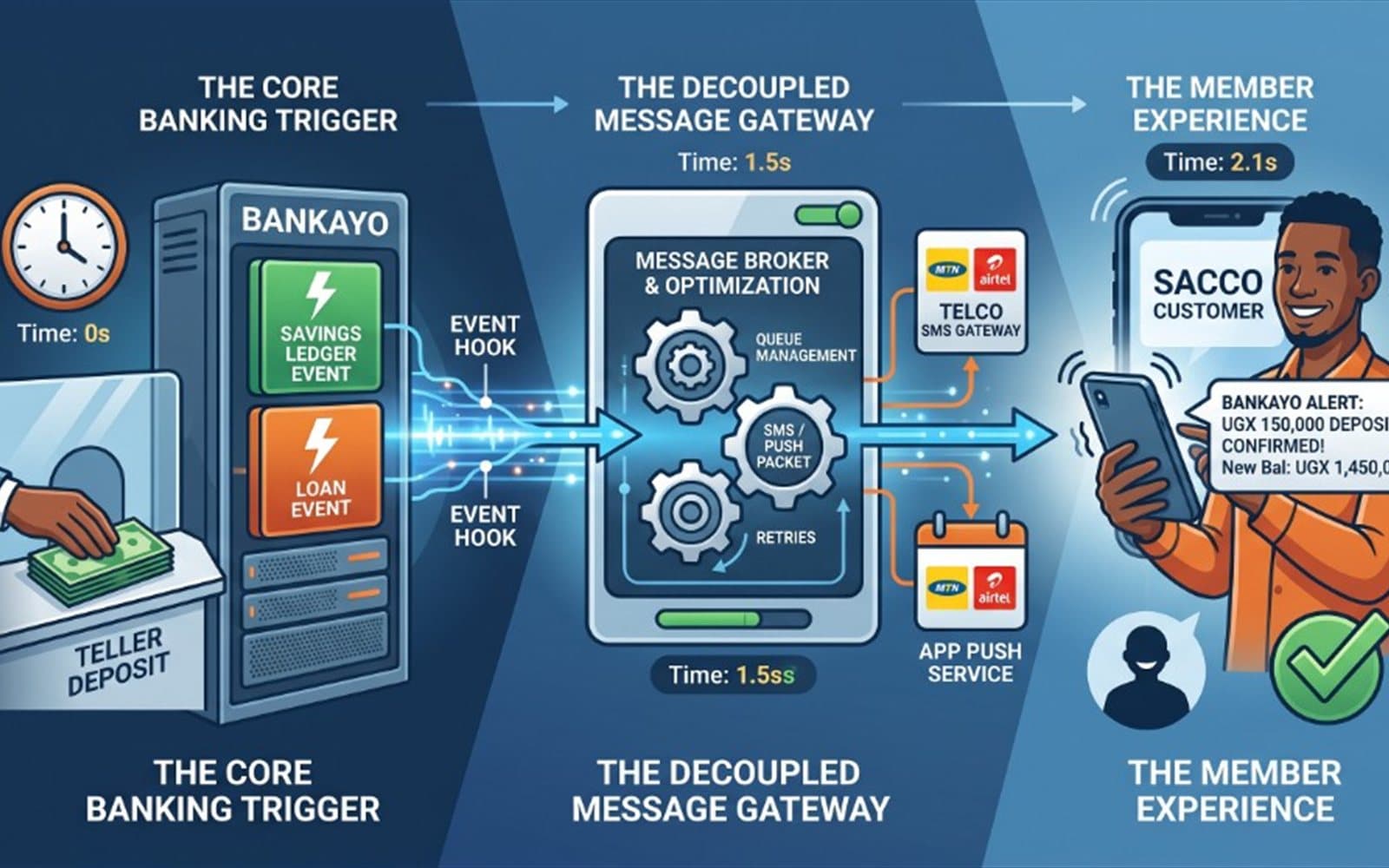
The ping that builds trust: what real-time notifications do for a SACCO
Members look at their phone after a deposit, not at the ledger. An SMS or push that lands with the posting — amount, balance, reference — is how they know the money is theirs.
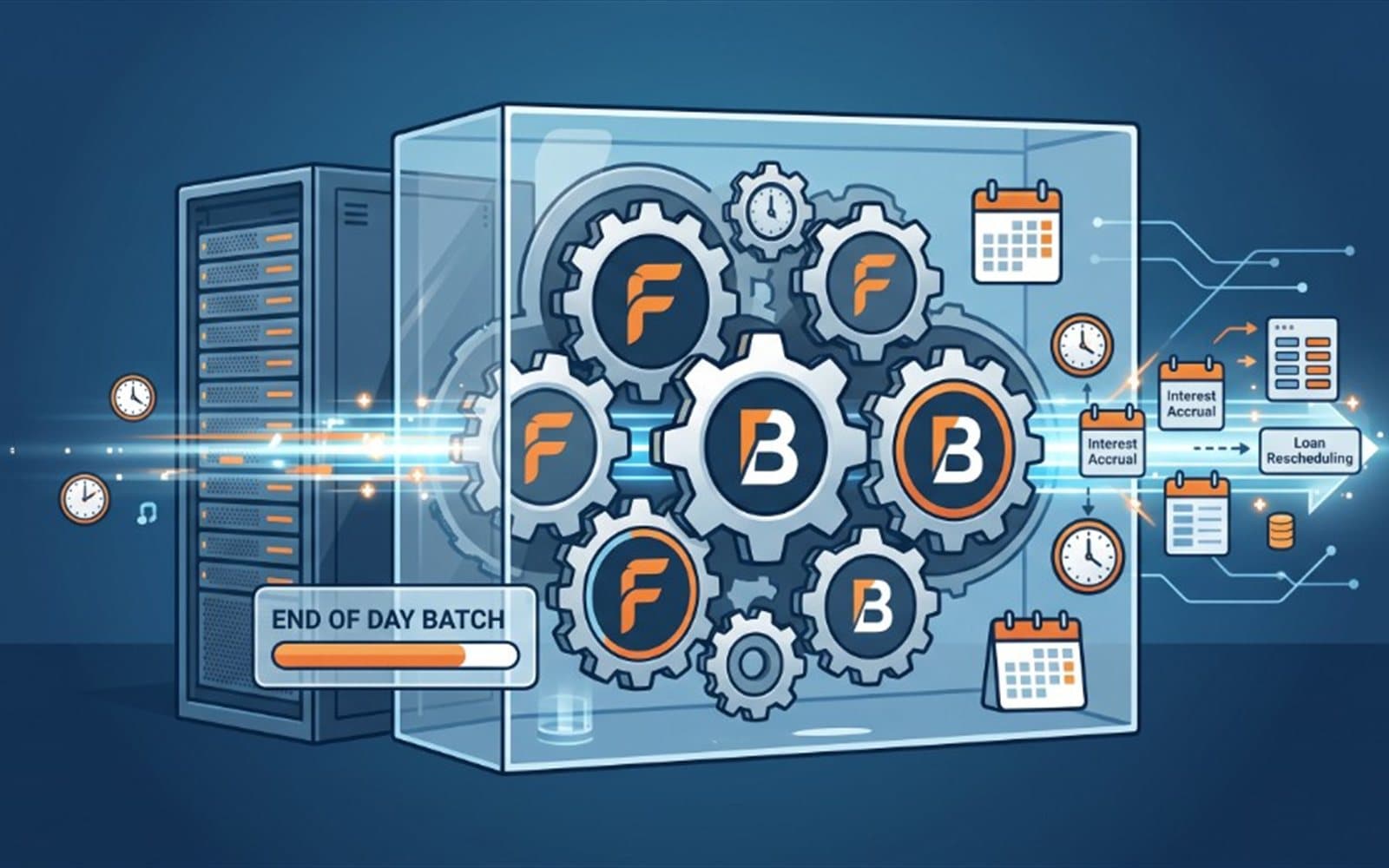
What actually happens in a Fineract end-of-day run
COB and scheduled jobs are not magic. Here is what they do to interest, charges, and delinquency — and how to know by 8:00 that the night did not leave the ledger half-posted.
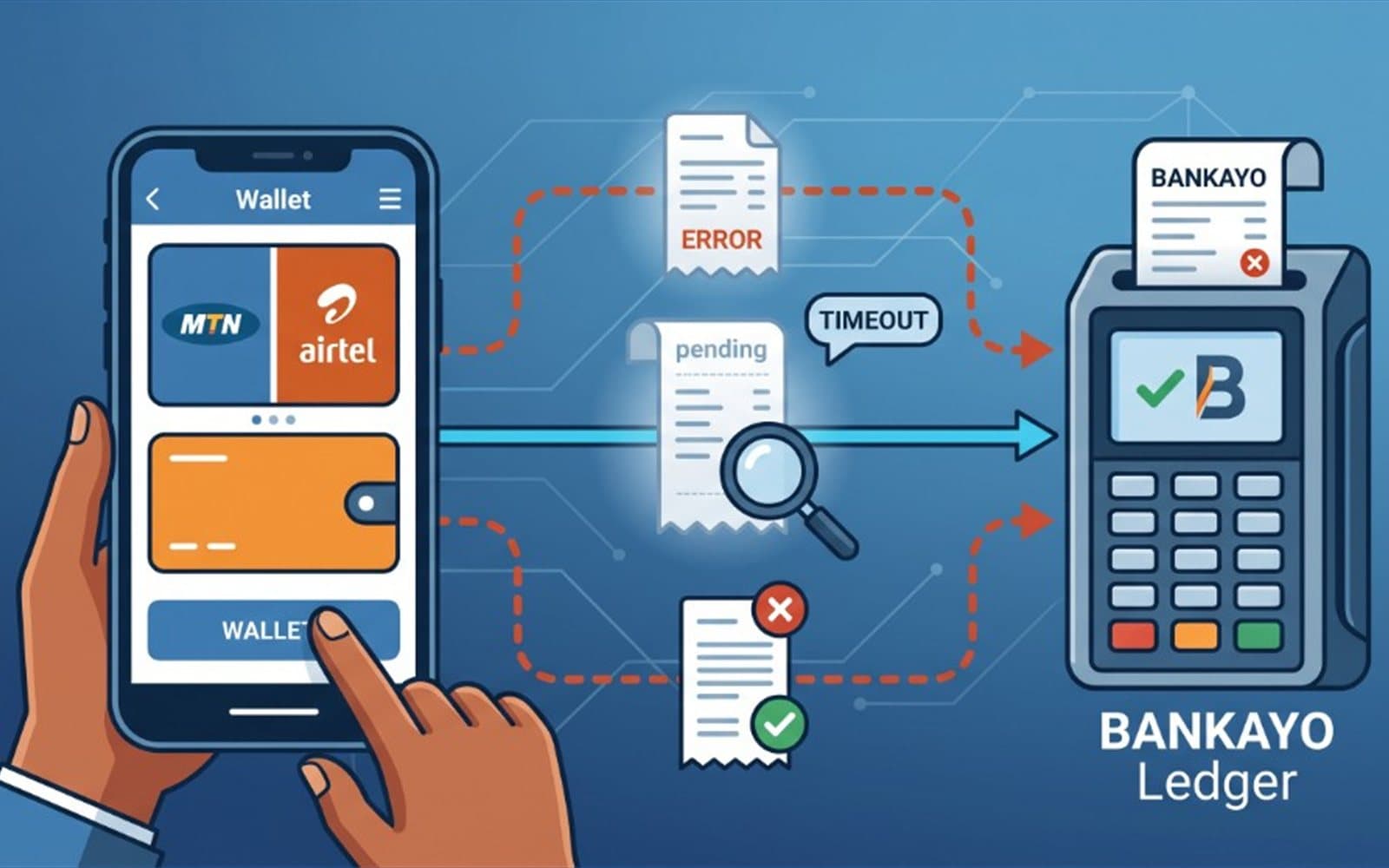
Reconciling mobile money: MTN, Airtel, and ghost transactions
Timeouts, late callbacks, and wrong reference IDs are normal. The ledger should isolate unverified telco money — not hope the teller can unwind it three days later.
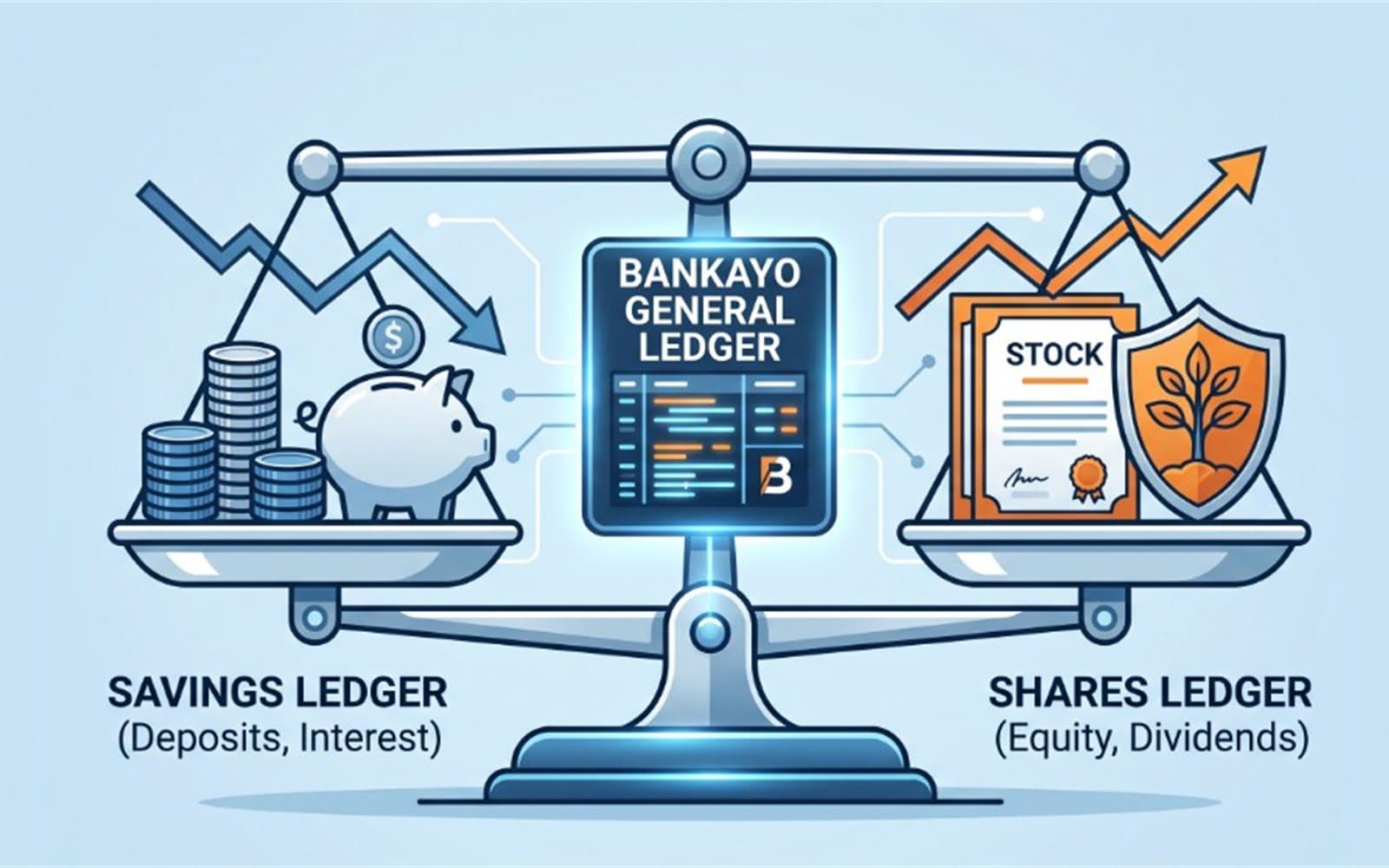
Shares vs savings: the accounting that trips up SACCO software
Share capital is equity, not a savings bucket with a nicer name. Withdrawal rules, dividends, collateral, and the balance sheet all break if you treat them as the same product.
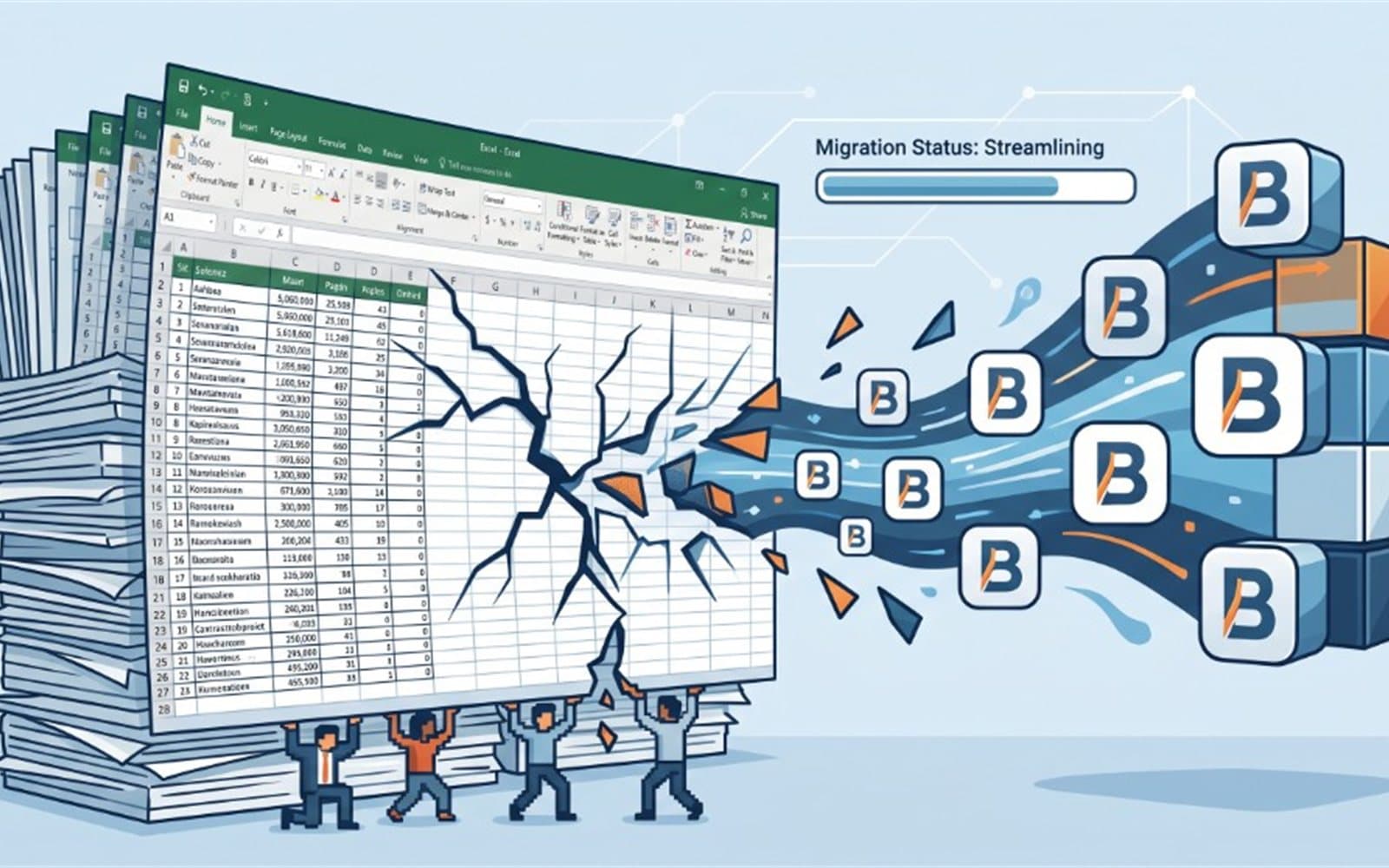
The spreadsheet ceiling: why every SACCO outgrows Excel
What breaks first when a savings group scales past a few hundred members — reconciliation drift, loan maths, dividends, and the audit trail nobody can reconstruct.